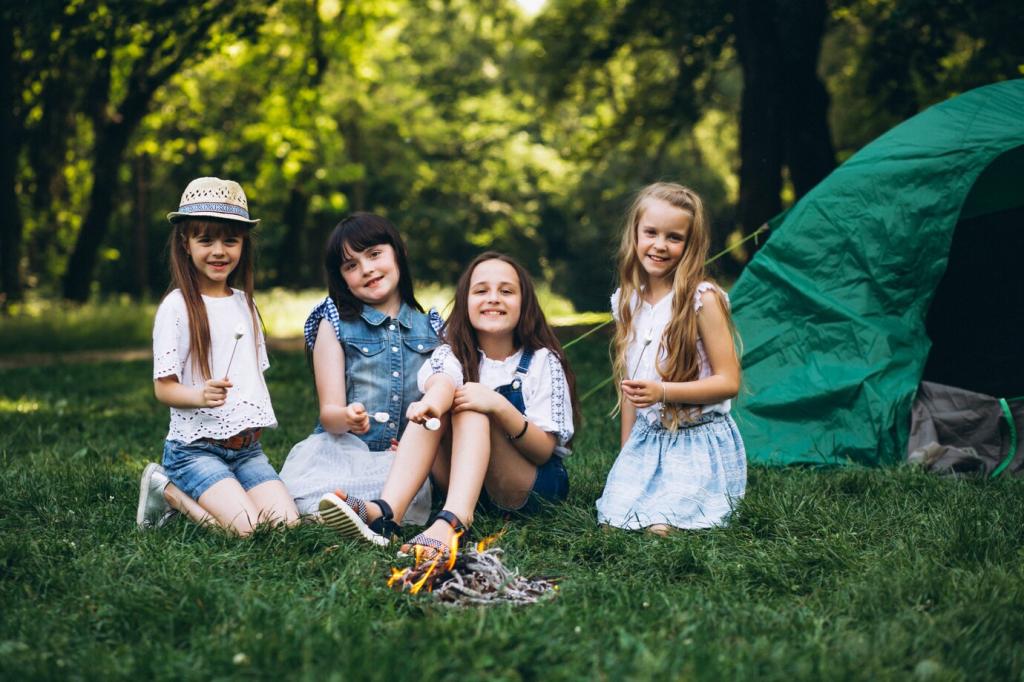
Chosen theme: Wildlife Observation Tips for Children. Welcome to a warm, wonder-filled guide that helps kids notice birds, bugs, and beasts with gentle curiosity, safe habits, and joyful attention. Subscribe for weekly prompts that turn everyday walks into wild adventures.

Start with Safety and Curiosity

Begin with clear, positive rules kids can remember: stay on trails, keep a buddy close, and always ask before touching. Explain why these rules protect wildlife and us. Invite your child to add one rule that makes them feel brave and prepared.

Start with Safety and Curiosity

Comfort encourages patience. Choose layers, sturdy shoes, sunhat, and a small backpack with water and snacks. Add child-sized sunglasses or bug-net hats where needed. When children feel cozy and cared for, they linger longer, look closer, and notice details most adults miss.

Kid-Sized Tools that Inspire Discovery

Choose binoculars designed for small hands with lower magnification and wide field of view, so finding birds feels easier. Pair them with a magnifying lens for ant trails and leaf veins. Practice focusing at home, turning couch cushions into pretend treetops for fun.

Kid-Sized Tools that Inspire Discovery

A pocket notebook invites drawing, mapping, and listing species like friends at a party. Encourage kids to sketch quickly, label colors, and write one feeling word for each sighting. These small pages become a precious timeline of seasons changing and skills quietly growing.
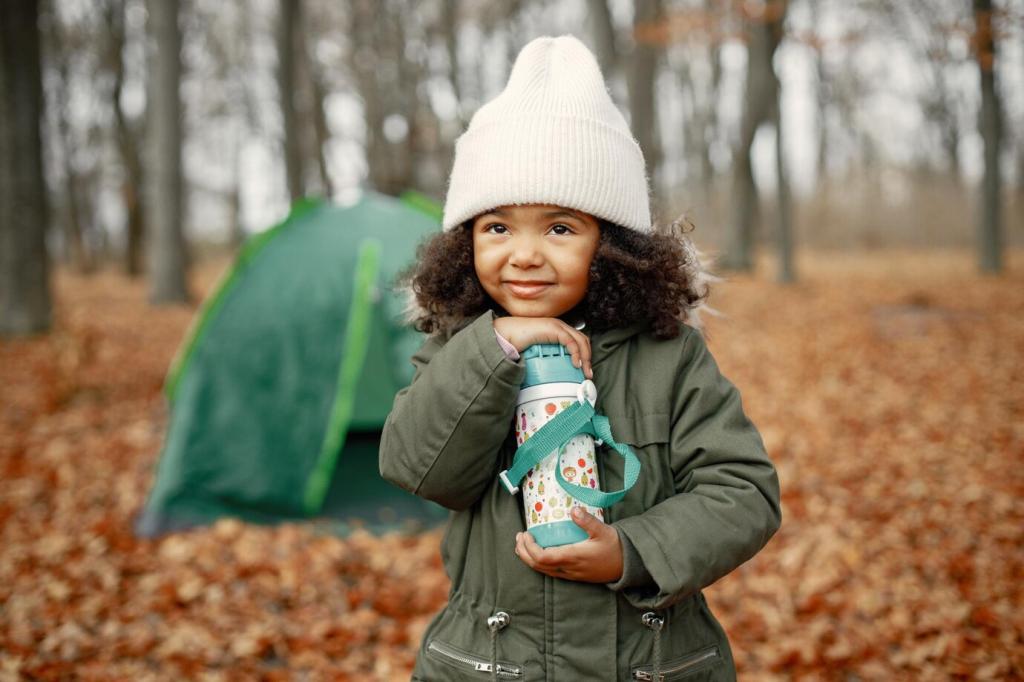
Start with a window, backyard, or neighborhood tree. Returning to the same place weekly helps children measure change: new birds, fresh tracks, shifting light. One family noticed a robin nest above the mailbox and gently watched the chicks grow from fluff to flight.
Many animals become active at dawn and dusk when air is cooler and light is softer. Plan short adventures that end before bedtime. Keep voices low, footsteps slow, and eyes scanning edges of habitats, where shadows, fluttering wings, and tiny movements reveal hidden lives.
Spring brings birdsong and blossoms; summer hums with pollinators; autumn rustles with migrating flocks; winter reveals tracks in mud or snow. Invite kids to predict what they might see each season, then compare notes later. Patterns become puzzles they proudly solve together.

Become Part of the Landscape

Practice the fox walk: slow steps, soft heels, and calm arms. Crouch or sit to appear smaller, then wait. Many animals reveal themselves after a quiet minute. A patient seven-year-old once counted six rabbits simply by staying still near a berry patch.

Hands Off, Eyes On

Admire without handling. Feeding or chasing animals can change their behavior and put both sides at risk. Instead, use binoculars, notice body language, and sketch what you see. Respect builds trust, and trust leads to more natural behavior worth watching and remembering.

Leave No Trace for Little Explorers

Teach pack-it-in, pack-it-out right away. Stick to paths, avoid picking flowers, and return logs and stones to their places after peeking. Small actions protect homes many creatures rely on. Invite your child to be the trip’s Leave No Trace leader proudly.

Read the Clues Animals Leave Behind

Look for footprints, beaten paths, tunnels in grass, or narrow trails along fences. Compare sizes, count toes, and note direction. Mud and snow record visitors beautifully. Children love tracking puzzles—guess the animal, then verify using a guide or a friendly ranger.

Read the Clues Animals Leave Behind

Feathers reveal patterns and sizes, while snail shells and shed snake skins hint at hidden neighbors. Encourage kids to observe and sketch rather than collect. Photograph finds, then leave them where they belong so future observers can enjoy the same surprises.

Read the Clues Animals Leave Behind

Close eyes and listen for bird calls, frog choruses, or the rustle of lizards in leaves. Quiet moments teach kids to separate layers of sound like instruments in an orchestra. Ask them to imitate rhythms, then describe how the sound changed over time.

Turn Moments into Meaningful Learning

Storytelling After the Hike

Invite your child to recount the day’s top sighting using five senses. How did the air smell? What colors stood out? Write a short story together, then share a line with our community. Celebrating details nurtures language, confidence, and love for the outdoors.

Simple Backyard Experiments

Set up a bird seed comparison, a butterfly puddling station, or a bee-friendly water dish with pebbles. Record which visitors appear and when. These gentle experiments teach observation, patience, and respect while giving children ownership of their growing wildlife sanctuary.

Join Citizen Science Together

Participate in family-friendly nature counts or urban biodiversity projects. Log sightings carefully, include photos, and double-check identifications. Kids gain purpose knowing their notes help real scientists. Share your experience with us, and we will feature child-led tips that inspire others.
Adtechassist
Privacy Overview

This website uses cookies so that we can provide you with the best user experience possible. Cookie information is stored in your browser and performs functions such as recognising you when you return to our website and helping our team to understand which sections of the website you find most interesting and useful.